

EU-Batterievorschriften für Telefone
Der Batteriezugang wird wichtiger
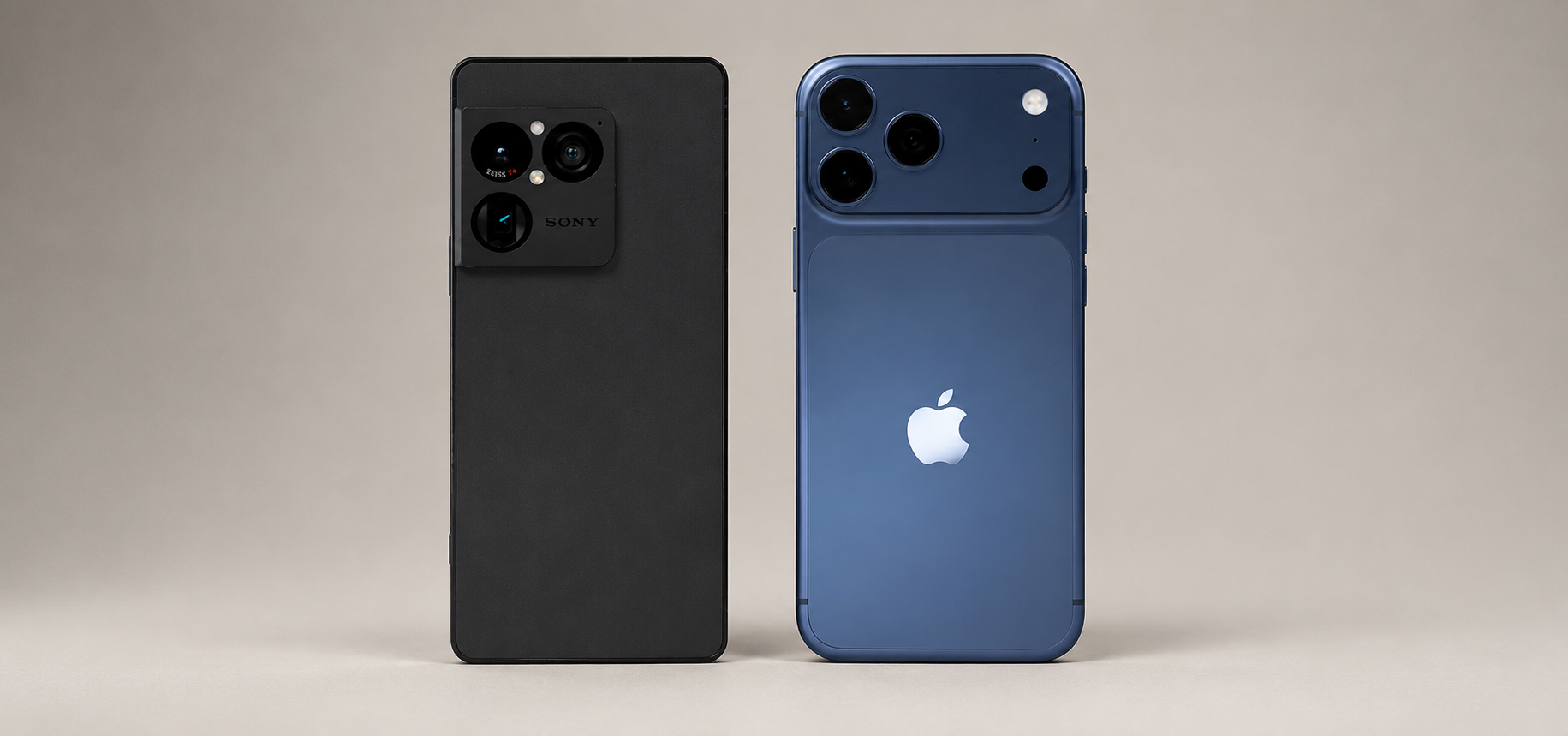
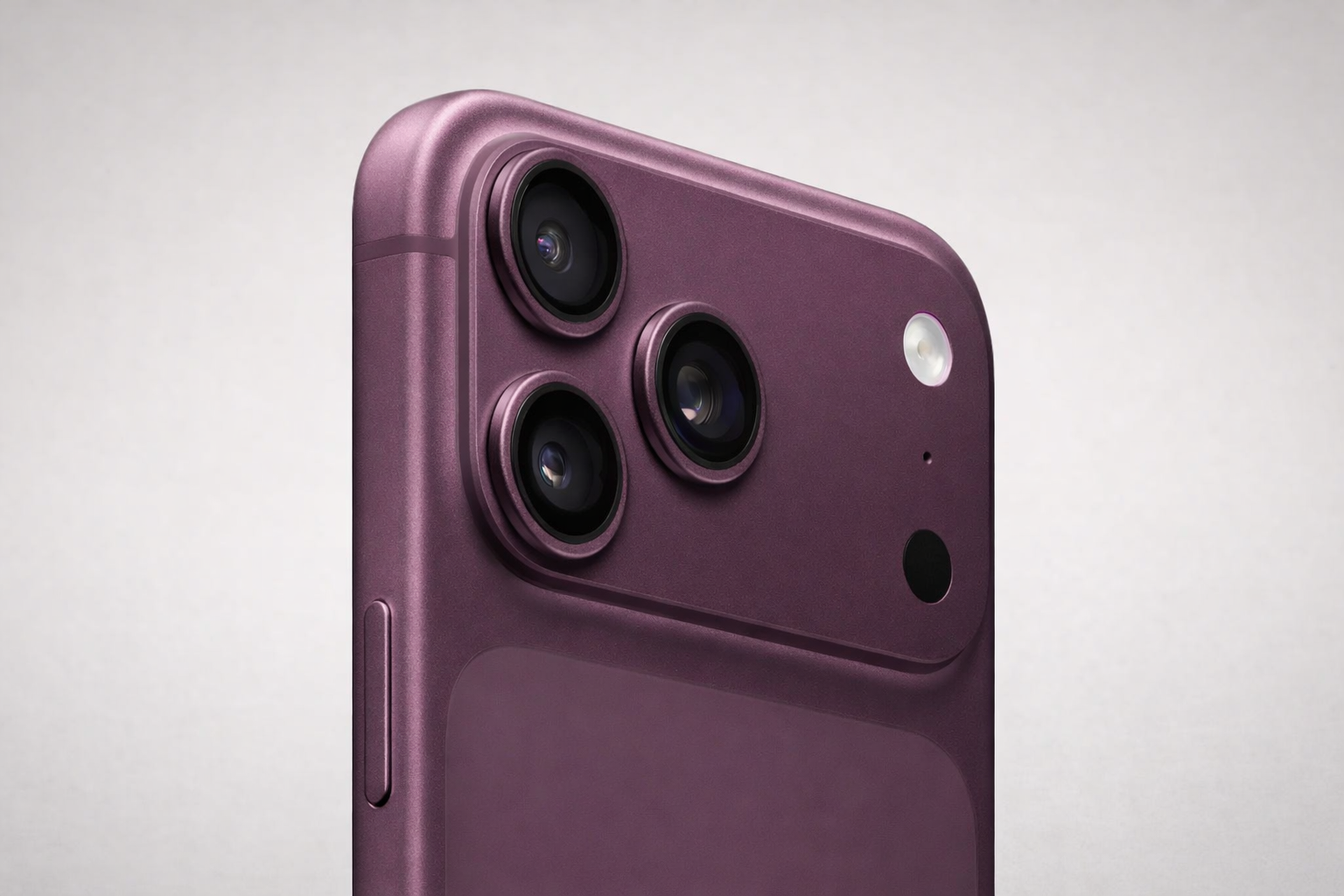
Das iPhone 17 Pro Max ist eines der Telefone, das voraussichtlich von den EU-Batteriewechselregeln betroffen sein wird, die ab 2027 für Smartphones und andere wiederaufladbare Geräte, die in Europa verkauft werden, gelten sollen.
Die Verordnung zielt darauf ab, Elektroschrott zu reduzieren, indem Batterien leichter austauschbar gemacht werden. Gemäß dem neuen Rahmen müssen viele Geräte mit eingebauten Batterien den Benutzern ermöglichen, die Batterie ohne Spezialwerkzeuge oder mit speziellen, kostenlos mit dem Produkt gelieferten Werkzeugen zu wechseln.
Dies bedeutet nicht automatisch eine vollständige Rückkehr zu abnehmbaren Rückabdeckungen. Hersteller können weiterhin versiegelte Designs verwenden, aber das Produkt muss leichter zu öffnen und zu reparieren sein, ohne Käufer dazu zu zwingen, sich ausschließlich auf autorisierte Servicezentren zu verlassen.
Der Anwendungsbereich geht über Smartphones hinaus
Die Regeln gehen über Telefone hinaus. Tablets, Smart Glasses und andere wiederaufladbare Verbrauchergeräte können ebenfalls unter dieselben Batteriewechselstandards fallen. Das verleiht der Verordnung eine breitere Wirkung auf dem Markt für Unterhaltungselektronik.
Es gibt wichtige Ausnahmen. Ein Gerät kann eine andere Behandlung erhalten, wenn seine Batterie über einen langen Zeitraum eine starke Gesundheit behält, einschließlich etwa 80 % der ursprünglichen Kapazität nach 1.000 Ladezyklen. Die Verordnung erlaubt auch, dass die Batteriewartung auf professionelle Reparaturdienste beschränkt bleibt, wenn ein Produkt zusätzliche Haltbarkeits- und Supportbedingungen erfüllt.
Haltbarkeits- und Supportstandards sind Teil des Deals
Diese Bedingungen umfassen längere Software-Unterstützung, Ziele für die Batterieleistung und physische Haltbarkeitsstandards. Hersteller müssen möglicherweise mindestens fünf Jahre lang Betriebssystem-Updates bereitstellen, die Batteriekapazität nach 500 Zyklen bei 83 % und nach 1.000 Zyklen bei 80 % halten, die IP67-Staub- und Wasserbeständigkeit erfüllen und die EU-Fallteststandards bestehen.
Die Verordnung fördert auch einen längeren Teile-Support. Ersatzteile müssen möglicherweise sieben Jahre lang verfügbar bleiben, nachdem ein Modell aus dem Verkauf genommen wurde oder die Produktion endet. Das könnte die Art und Weise beeinflussen, wie Marken Produktlebenszyklen und Kundendienst planen.
Was es für zukünftige Telefonkäufer bedeutet
Für Käufer, die zukünftige Modelle wie das iPhone 17 Pro Max, das Galaxy S26 Ultra und das Pixel 10 Pro vergleichen, könnte das praktische Ergebnis eine stärkere Beachtung der Reparierbarkeit, der Akkukapazität und des langfristigen Supports sein, anstatt nur der Spezifikationen am Einführungstag. Funktionen wie die Bildwiederholrate des Displays, die Größe des Kameramoduls, das kabellose Laden und die MagSafe-Kompatibilität werden weiterhin wichtig sein, aber der Batteriezugang und die Servicebedingungen könnten bei Kaufentscheidungen mehr Gewicht haben.
Die Regel ist Teil einer umfassenderen EU-Anstrengung zur Reduzierung von Elektroschrott. Angesichts von Millionen Tonnen weggeworfener Elektronik pro Jahr ist das Ziel, Geräte länger in Gebrauch zu halten und die Ersatzzyklen zu reduzieren, die durch Batterieabnutzung oder begrenzten Reparaturzugang verursacht werden.
Für Käufer von Telefonzubehör kann diese Verschiebung im Laufe der Zeit auch das Design von Hüllen und Hardware beeinflussen. Marken müssen möglicherweise ein Gleichgewicht zwischen dünnerer Bauweise, Wasserbeständigkeit und Reparaturzugang sorgfältiger abwägen, da zukünftige Versionen des iPhone 17 Pro Max und konkurrierender Geräte sich an die neuen EU-Anforderungen anpassen. Für verwandtes Gerätezubehör und Produktberichterstattung siehe Komodoty: https://www.komodoty.com

Hinterlasse einen Kommentar
Diese Website ist durch hCaptcha geschützt und es gelten die allgemeinen Geschäftsbedingungen und Datenschutzbestimmungen von hCaptcha.