

Motorola Razr Ultra 2026 Akku
 Motorola Razr Ultra 2026 bringt neues Batterieformat für faltbare Geräte in den USA
Das Motorola Razr Ultra 2026 ist das erste faltbare Mainstream-Gerät, das von einem Netzbetreiber in den Vereinigten Staaten unterstützt wird und einen Silizium-Kohlenstoff-Akku verwendet. Damit verschafft sich Motorola in diesem Bereich einen frühen Vorsprung gegenüber Apple, Samsung und Google. Der Hauptvorteil ist eine höhere Akkukapazität in einem schlanken Gehäuse, was bei faltbaren Geräten, wo der interne Platz begrenzt ist, noch wichtiger ist.
Warum Silizium-Kohlenstoff wichtig ist
Herkömmliche Lithium-Ionen-Akkus sind bewährt und weit verbreitet, aber Silizium-Kohlenstoff-Zellen können mehr Energie auf demselben Raum speichern. Das ermöglicht es den Telefonherstellern, die Akkukapazität zu erhöhen, ohne das Gerät dicker zu machen. Bei faltbaren Geräten ist das eine praktische Änderung und kein Marketingdetail, da Scharnieranordnungen und geteilte interne Strukturen den Platz schwerer zu handhaben machen.
Änderungen an Akku und Ladefunktion des Razr Ultra 2026
Motorola erhöhte die Akkukapazität des Razr Ultra 2026 auf 5.000 mAh, gegenüber 4.700 mAh beim Vorgängermodell, während das Telefon die gleiche Größe und das gleiche Gewicht von 199 g beibehielt. Auch die Ladeleistung wurde dieses Jahr erhöht. Die kabelgebundene Ladung steigt von 68 W auf 80 W, während die kabellose Ladung von 30 W auf 50 W steigt. Die umgekehrte kabelgebundene Ladung bleibt bei 5 W, was hauptsächlich für kleines Zubehör nützlich ist.
Razr Fold treibt die Idee weiter voran
Motorola beschränkt die neue Akkutechnologie nicht auf ein Modell. Das Razr Fold verwendet ebenfalls Silizium-Kohlenstoff, und seine Akkukapazität erreicht 6.000 mAh in einem faltbaren Gehäuse, das im geschlossenen Zustand immer noch unter 10 mm dick ist. Mit 243 g ist es schwerer als das Razr Ultra 2026, aber die Akkugröße ist für diese Kategorie bemerkenswert.
Wie Motorola im Vergleich zur Konkurrenz abschneidet
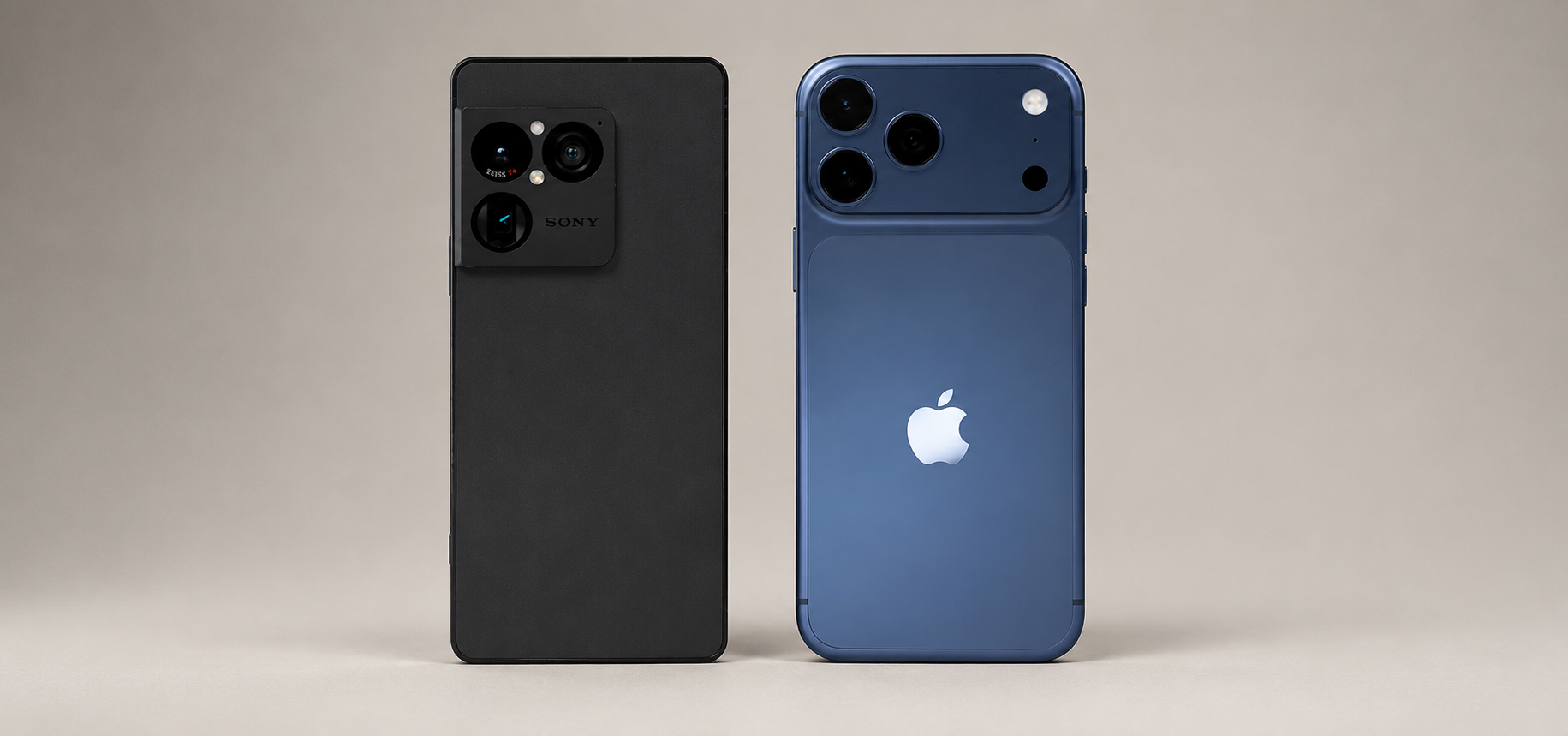
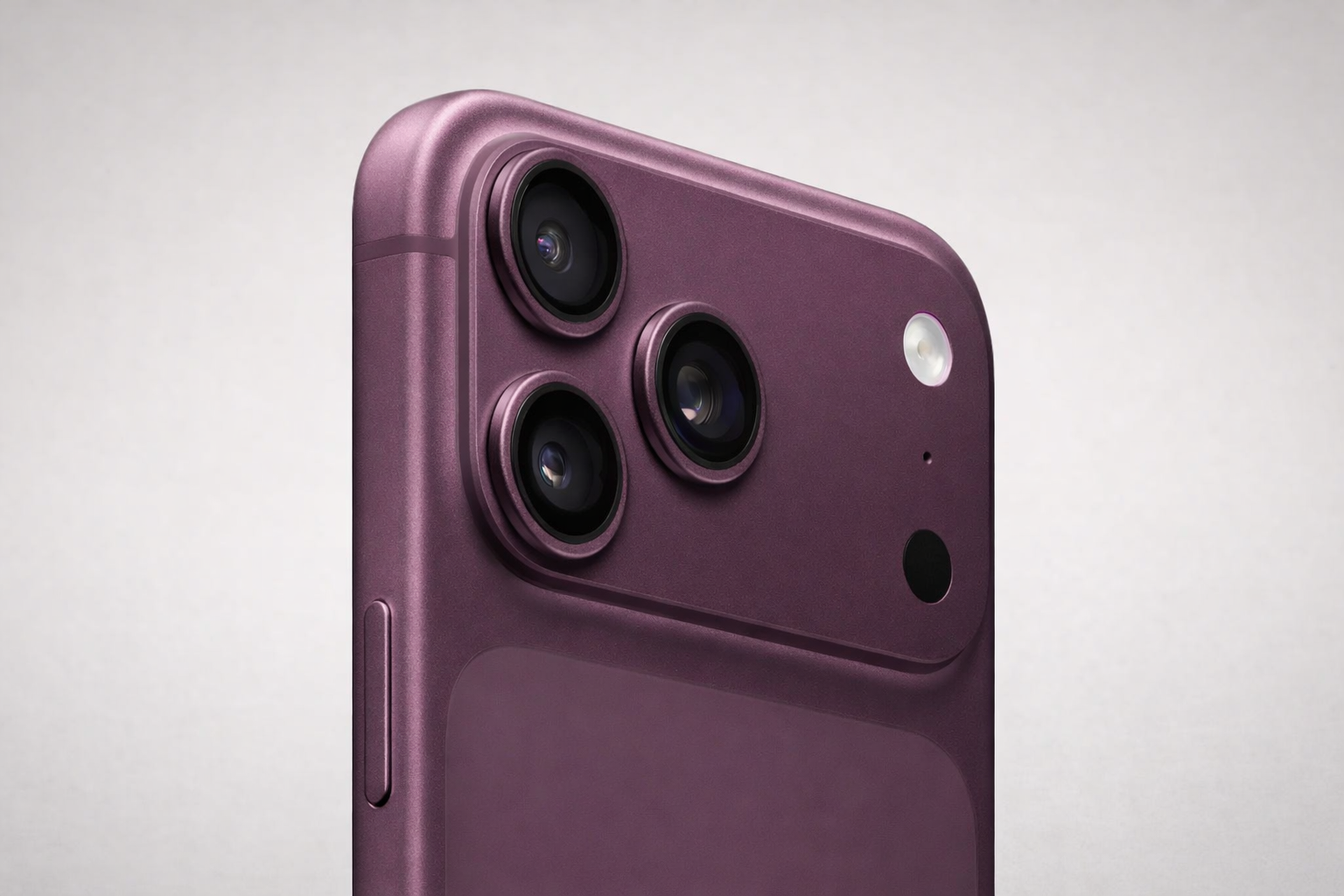
Dies verschafft Motorola einen klaren Hardware-Anknüpfungspunkt gegenüber anderen Premium-Telefonen und faltbaren Geräten. Die Akkuzahlen von Samsungs faltbaren Geräten bleiben bei vergleichbaren Designs niedriger, und auch Googles Pixel 10 Pro Fold liegt bei der reinen Akkukapazität hinter Motorola. Der Vergleich wird interessanter, wenn man über faltbare Geräte hinausblickt. Käufer, die das iPhone 17 Pro Max, Galaxy S26 Ultra und Pixel 10 Pro in Betracht ziehen, werden immer noch die gleichen Kernpunkte interessieren: Akkukapazität, kabellose Ladegeschwindigkeit, Display-Bildwiederholrate, Kameramodulgröße und langfristige Komfortfunktionen wie MagSafe-Kompatibilität oder ähnliche Zubehörsysteme.
Worauf Käufer achten sollten
Die Akkugewinne allein entscheiden nicht den gesamten Kauf. Käufer sollten auch Software-Support, Kameraqualität, Haltbarkeit, Reparierbarkeit, thermische Kontrolle und Ladestandards berücksichtigen. Ein größerer Akku hilft, aber die tatsächliche Akkulaufzeit hängt von der Effizienz des Chipsatzes, dem Verhalten der Display-Bildwiederholrate und dem Hintergrundstromverbrauch ab. Faltbare Geräte müssen auch sorgfältig auf die Haltbarkeit des Scharniers und daraufhin überprüft werden, wie viel internen Platz man für die Dünnheit opfert.
Der Preis ist der Kompromiss
Motorolas Fortschritt in der Batterietechnologie geht mit einem höheren Einstiegspreis einher. Das Razr Ultra 2026 kostet jetzt 1.499 US-Dollar, gegenüber 1.299 US-Dollar im letzten Jahr. Dieser Preisanstieg bedeutet, dass sich das Telefon nicht nur durch Design und faltbares Design, sondern auch durch seinen Alltagswert rechtfertigen muss. Schnelleres Laden und ein größerer Akku helfen dabei, obwohl die Erhöhung für ernsthafte Käufer, die Premium-Geräte verschiedener Marken vergleichen, immer noch eine Rolle spielen wird.
Fazit
Das Motorola Razr Ultra 2026 sticht hervor, weil es die Silizium-Kohlenstoff-Akkutechnologie in einen echten Produktvorteil auf dem US-Markt umwandelt, insbesondere bei faltbaren Geräten, wo der Platz knapp ist und die Akkugröße zählt. Für Käufer, die das iPhone 17 Pro Max, Galaxy S26 Ultra, Pixel 10 Pro und die neuesten faltbaren Geräte vergleichen, macht diese Entwicklung Motorola schwerer zu ignorieren. Für praktischere Einblicke in den Telefonkauf rund um das Motorola Razr Ultra 2026 und andere Flaggschiffmodelle besuchen Sie Komodoty.

Hinterlasse einen Kommentar
Diese Website ist durch hCaptcha geschützt und es gelten die allgemeinen Geschäftsbedingungen und Datenschutzbestimmungen von hCaptcha.