

iPhone Duo vs Galaxy Z Fold


The iPhone Duo and Samsung Galaxy Z Fold 8 Ultra are two very different takes on the premium foldable phone. Both start at around $2,000 in the US, but Apple is prioritising compact portability and dust resistance, while Samsung is offering a larger workspace, stronger cameras and more flexible multitasking.
If you are deciding between Apple’s first foldable iPhone and Samsung’s top Galaxy Z Fold model, the important differences are not subtle. For the full specifications, see CNET’s iPhone Duo and Galaxy Z Fold 8 Ultra comparison.
Design: Compact Apple vs Traditional Foldable Samsung
The iPhone Duo has a smaller 5.4-inch cover display and a 7.6-inch inner OLED display. When closed, it is designed more like a compact handset; when unfolded, it works as a small tablet for reading, video and split-screen apps.
Samsung’s Galaxy Z Fold 8 Ultra uses the more familiar tall book-style layout. Its 6.5-inch outer display feels closer to a standard phone, while the 8-inch inner display gives more room for work, streaming and gaming.
Samsung wins on thinness and weight. At 8.9mm closed and 215g, the Z Fold 8 Ultra is slimmer and lighter than the iPhone Duo, which measures 11.3mm closed and weighs 254g.
Apple has a meaningful durability advantage. The iPhone Duo has an IP68 rating for dust and water resistance, while the Galaxy Z Fold 8 Ultra is rated IP48. Samsung’s phone can handle water, but fine dust and sand remain a practical concern.
Screens and Multitasking
Apple uses a matte nano-texture finish on the iPhone Duo’s internal 7.6-inch display. This reduces glare and makes the fold crease less distracting under direct light. It is useful for flights, outdoor use and bright rooms.
The Galaxy Z Fold 8 Ultra has a larger 8-inch inner AMOLED display with an anti-reflective coating. It supports up to three apps on screen at once, compared with two on the iPhone Duo. For people who genuinely work from their phone, that additional multitasking space matters.
The iPhone Duo suits users who want a more compact Apple device that opens into a larger screen. The Galaxy Z Fold 8 Ultra is the stronger option for spreadsheets, messages, browser windows and other multi-app work.
Cameras: Samsung Has the Hardware Lead
The iPhone Duo has two rear 48-megapixel cameras: a main camera and an ultrawide. It does not include a telephoto lens.
Samsung’s Galaxy Z Fold 8 Ultra has a 200-megapixel main camera, 50-megapixel ultrawide and 10-megapixel telephoto camera. This gives it more flexibility for zoom, travel photography and portrait shots. CNET’s Galaxy Z Fold 8 Ultra coverage also details its flagship camera hardware.
Apple’s image processing may still produce strong photos, but on specifications alone Samsung has the more capable camera setup. Buyers who use a foldable as their primary camera phone should factor that in before ordering.
Battery, Charging and Magnetic Accessories
Apple claims up to 24 hours of mixed-use battery life for the iPhone Duo, or up to 31 hours of video playback on the inner display. It can reach 50% charge in around 20 minutes with a 60W USB-C adapter.
The Galaxy Z Fold 8 Ultra has a 5,000mAh battery. In testing, it reached 63% in roughly 30 minutes with its 45W wired charging system.
The iPhone Duo has one clear accessory advantage: built-in MagSafe and Qi2 magnetic charging up to 25W. The Galaxy Z Fold 8 Ultra needs a compatible magnetic case to access Qi2 charging, at up to 20W.
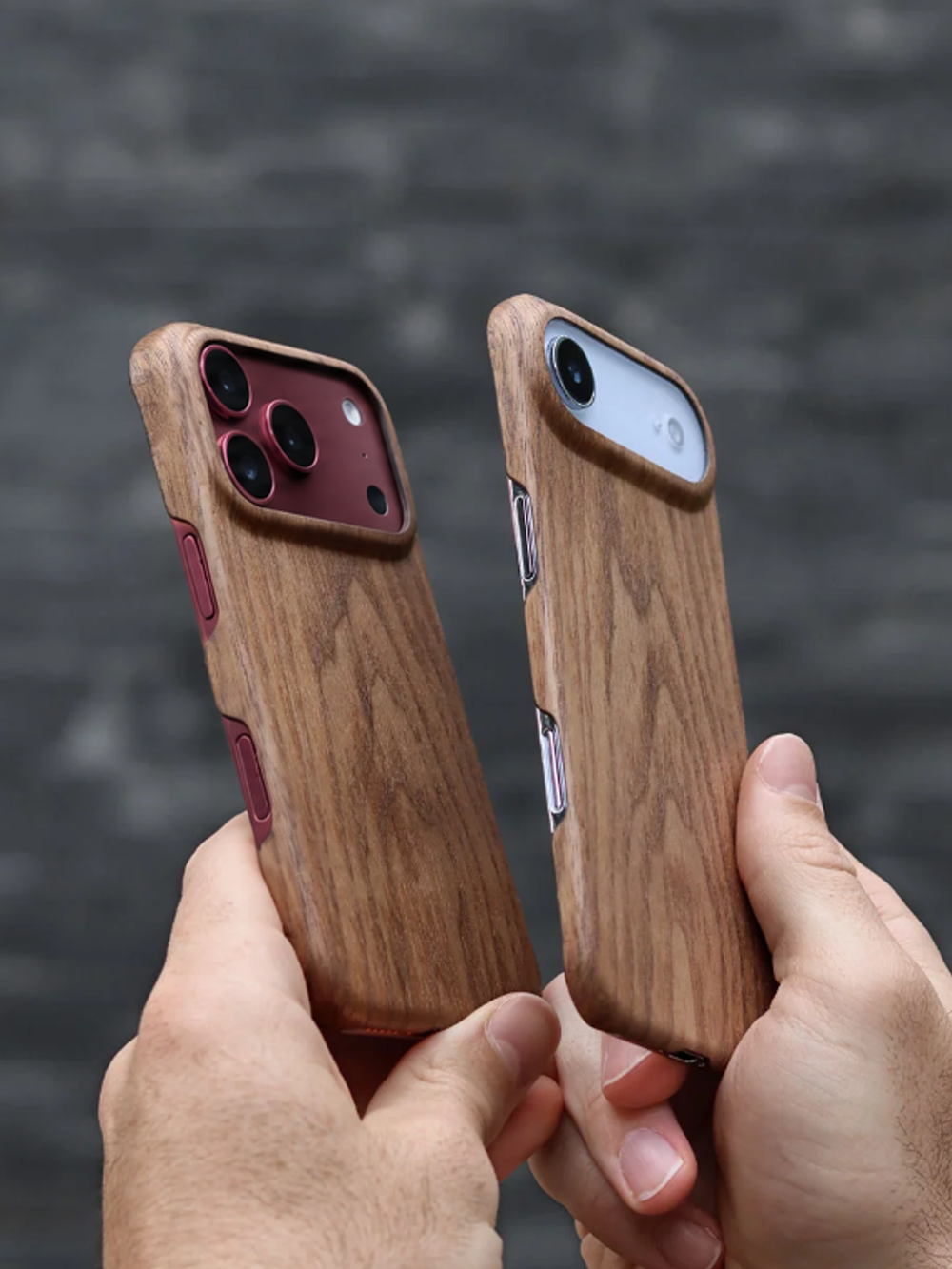
For iPhone Duo owners, the new Komodoty Alcantara iPhone Duo case collection is available to pre-order with a slim fitted design and six colour options. First-time customers can use code 10OFF at checkout for 10% off.
Which Foldable Should You Buy?
Buy the iPhone Duo if you want Apple’s ecosystem, integrated MagSafe, a compact closed design and better protection against dust. It is also a sensible pick for buyers who want a foldable that feels different from a conventional large phone.
Buy the Galaxy Z Fold 8 Ultra if you want the larger display, three-app multitasking, telephoto zoom and a device that feels more like a normal phone when closed. It is the more practical productivity option, but it does not match Apple’s IP68 dust protection or built-in magnetic accessory support.
Neither is a cheap experiment. At this price, buy for the way you will actually use it: compact iPhone flexibility or Samsung’s larger mobile workspace.

Laisser un commentaire
Ce site est protégé par hCaptcha, et la Politique de confidentialité et les Conditions de service de hCaptcha s’appliquent.