

OpenAI AI Phone 2027 Launch
 OpenAI’s AI Phone Moves Toward 2027
OpenAI’s AI phone is now being discussed as a possible 2027 product, based on updated claims from analyst Ming-Chi Kuo. The reported plan points to mass production in the first half of 2027, earlier than the previously mentioned 2028 schedule.
Why the Timeline Changed
The main change in the timeline appears to come from two factors. First, OpenAI may want a stronger hardware story ahead of any future IPO activity. Second, competition around AI-first mobile devices is starting to build, which raises pressure to move faster.
Chip and Manufacturing Details
According to the report, MediaTek currently looks better placed than Qualcomm to become the main chip supplier. The processor is said to be a customized Dimensity 9600 design, with production linked to TSMC’s N2P process in the second half of 2026. Luxshare Precision Industry is still described as the manufacturing partner.
Camera and AI Processing Focus
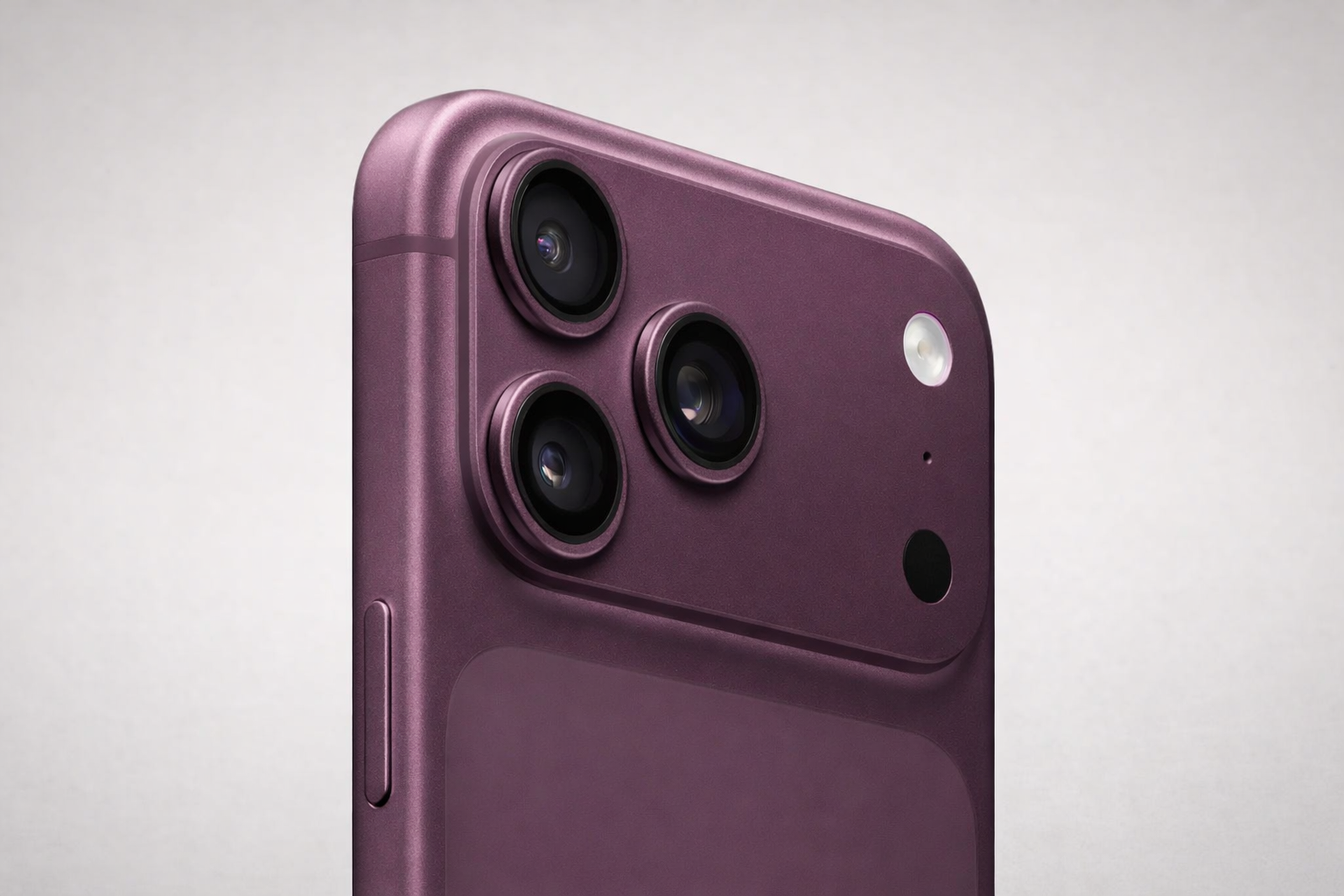
The most important hardware point in the report is the camera system. Kuo says the phone’s headline feature could be its image signal processor, built around a stronger HDR pipeline that improves how the device reads real-world scenes. In practical terms, that suggests OpenAI wants the phone to do more than capture photos. It wants the device to interpret surroundings in a way that supports an AI agent interface.
The report also says the phone may use two AI processors at the same time. One could handle vision-related tasks while another runs language or assistant functions. That kind of split would fit OpenAI’s broader goal of giving the device more context about what the user sees, asks, and does.
Memory, Storage, and Security
Memory, storage, and security are also expected to play a major role. Fast local components matter because an AI-first phone has to keep response times low while handling more on-device work. Security isolation is equally important if different AI processes are running in parallel and accessing sensitive personal data.
How It Could Compete
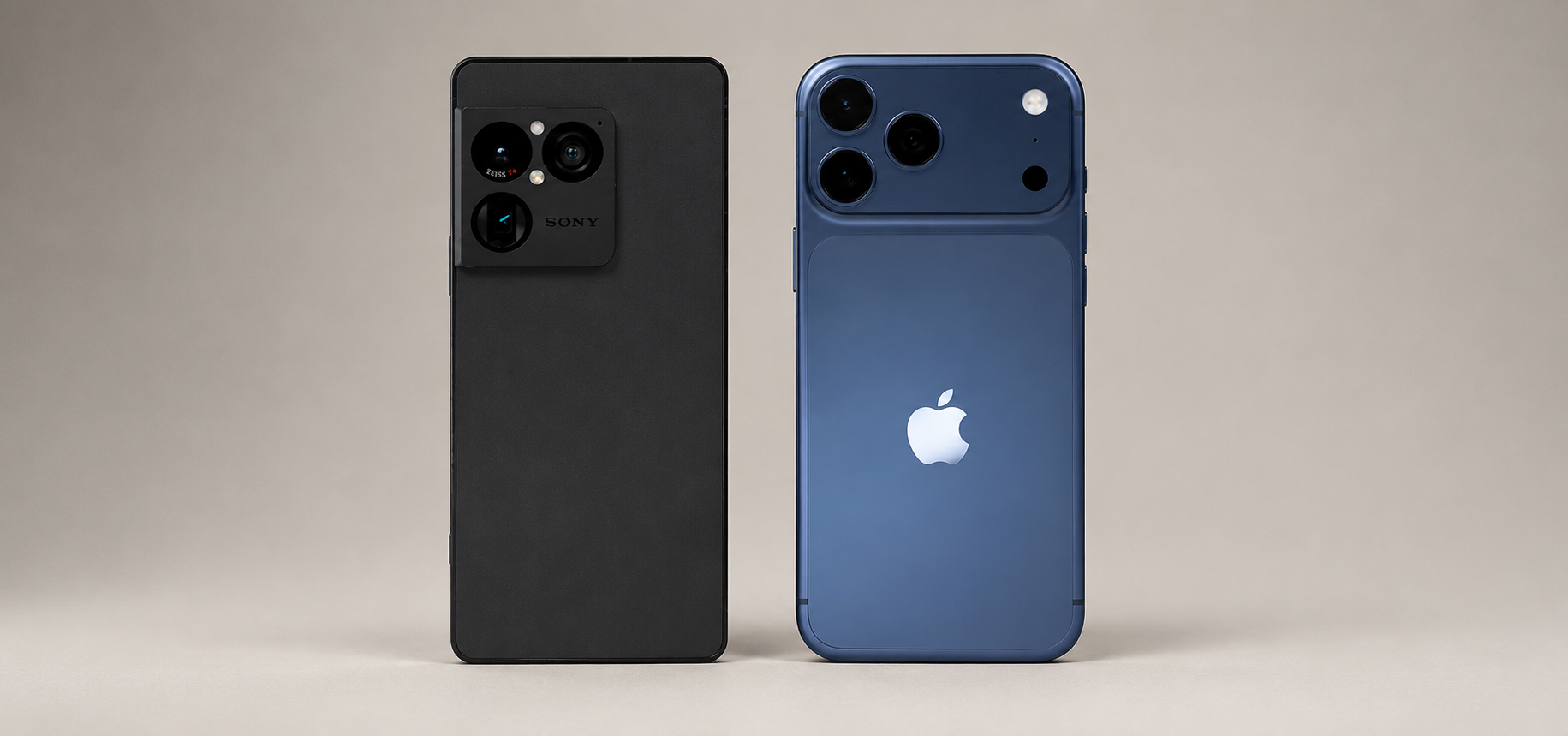
If the schedule holds, Kuo believes combined shipments across 2027 and 2028 could reach around 30 million units. That would make this more than an experiment. It would place OpenAI into direct competition with established flagship phones and force comparisons with devices such as the iPhone 17 Pro Max, Galaxy S26 Ultra, and Pixel 10 Pro.
Those comparisons will matter because buyers will still judge the device on standard phone basics, not only AI features. Questions around battery capacity, display refresh rate, camera module size, wireless charging, and MagSafe compatibility or equivalent accessory support will affect how serious the product looks next to premium phones already on the market.
Other OpenAI Hardware Plans
There is still a second OpenAI hardware track to watch. Jony Ive’s separate screen-free product has been described in earlier reports as a different category, and the latest discussion suggests that device may arrive around early 2027 as a smart speaker with a camera. That leaves OpenAI working on at least two connected hardware ideas at the same time.
The broader roadmap may also include smart glasses, a smart lamp, and earbuds. If that lineup moves forward, OpenAI would start building a hardware ecosystem rather than launching a single device. That would also place it against several Apple categories beyond the iPhone.
The Key Open Question
The biggest unanswered question is software. A phone positioned as an AI agent device needs more than a chatbot app on top of standard mobile hardware. It needs an operating system and interface that can carry out tasks with less app switching and more context between actions. That is the part that could define whether the product stands apart or becomes another Android-based experiment with heavy AI branding.
What Buyers Should Watch
At this stage, the reported OpenAI AI phone remains an early roadmap story rather than a confirmed retail product. Still, the shift toward a 2027 target shows that OpenAI may be moving faster than expected, and serious buyers will be watching whether the OpenAI AI phone can match core phone standards while adding a useful AI layer. For buyers following accessory fit and future device trends, Komodoty tracks these shifts closely at https://www.komodoty.com

Leave a comment
This site is protected by hCaptcha and the hCaptcha Privacy Policy and Terms of Service apply.