

US Smartphone Market Slips Again
The US smartphone market fell 3% year over year in Q1 2026, according to Omdia, with total shipments reaching 33.4 million units.
The slowdown reflects a mix of inventory timing, higher memory chip costs, weaker upgrade demand, and delayed product launches. Omdia also expects the market to contract by 4% across full-year 2026.
Why the market declined in Q1 2026
One reason for the softer quarter was a distorted comparison with early 2025. Smartphone brands had built inventory ahead of expected import tariffs, which raised the baseline for year-over-year shipment performance.
At the same time, higher component costs, especially for memory, added pressure across the market. Omdia also pointed to slower purchasing activity and a tighter launch schedule in the opening months of 2026.
Apple stayed on top despite lower shipments
Apple remained the leading smartphone brand in the US market, even though its shipments were down 3% from the same quarter last year. The iPhone 17 series accounted for 70% of Apple’s total shipments in the period.
Omdia said Apple benefited in the premium segment as Samsung’s Galaxy S26 launch arrived later than the comparable launch window in 2025. That gave more room for iPhone demand during the quarter.
Samsung held second place
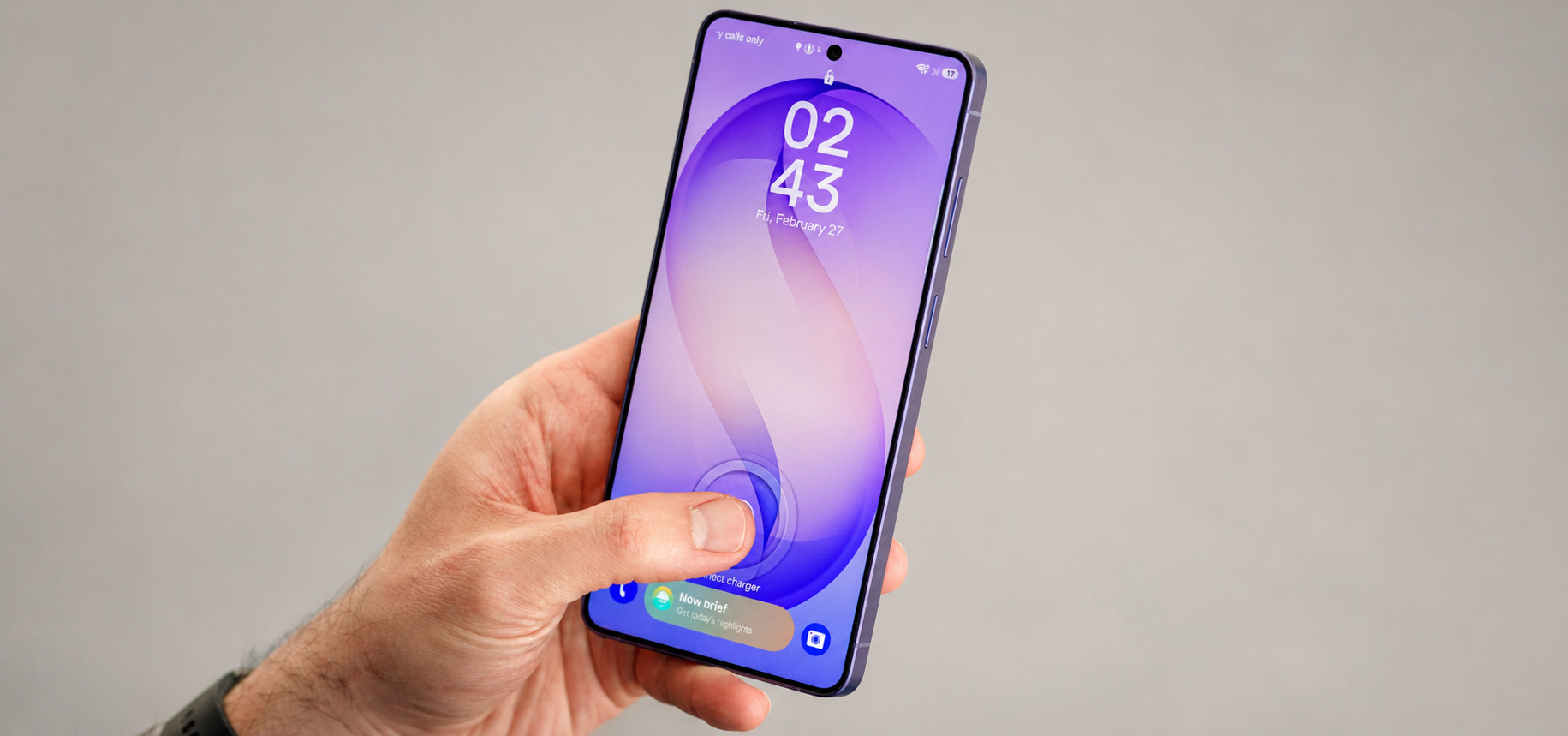
Samsung ranked second in the US smartphone market and posted a 5% year-over-year decline. The delayed Galaxy S26 launch was a factor, even though the series still showed solid early demand.
Pre-orders for the Galaxy S26 lineup were reportedly 25% higher than those for the Galaxy S25 series. Even so, the later launch compressed sell-through during Q1.
Motorola was the only major brand to grow
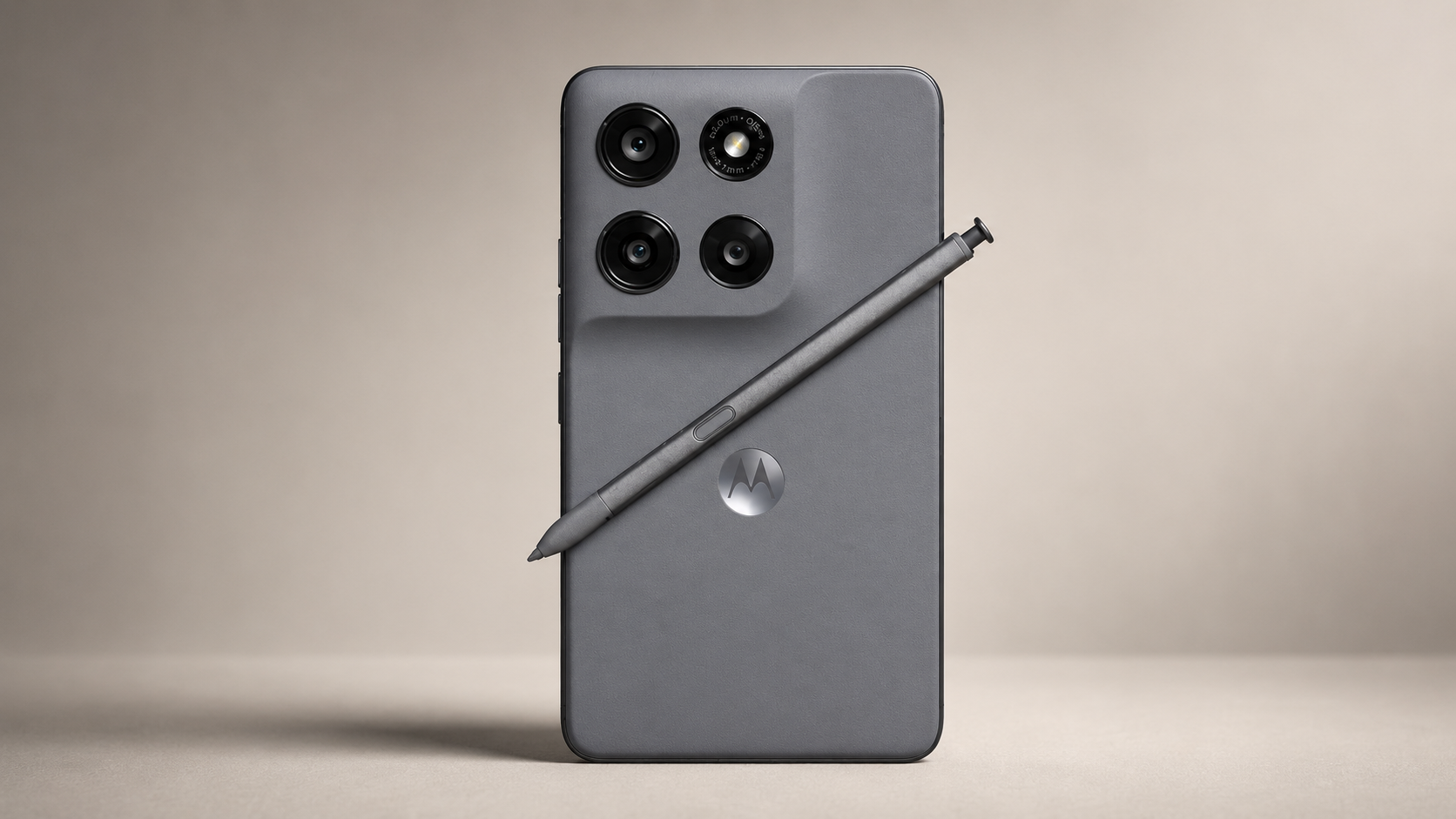
Motorola stood out as the only smartphone maker among the brands listed to record shipment growth in Q1 2026. Its shipments rose 18% compared with Q1 2025.
The main driver was the Moto G range, which made up more than 70% of Motorola’s total shipments. That result shows continued demand in the lower-cost part of the market.
Google also lost ground
Google’s smartphone shipments slipped 7% year over year. Omdia said Pixel 10 series sales stayed flat, and the earlier Pixel 10a release did not make up for the weaker premium model performance.
The market is splitting by price tier
Another clear trend is a sharper divide between price bands. Omdia said the sub-$300 segment grew 8%, while the premium $800-plus category declined only 1%.
Mid-range devices faced more pressure. The $300 to $599 segment fell 19%, while the $600 to $700 category declined 6%. That points to stronger resilience at the entry level and the premium end, with the middle of the market facing the biggest strain.
What Omdia expects next
Omdia believes closer work with US carriers and plan-based promotions will matter more as brands try to limit the effect of rising component costs on buyers. That may be especially important as the market heads into the rest of 2026 with weaker momentum.
For buyers tracking the US smartphone market, the main takeaway is that Apple, Samsung, Motorola, and Google are facing different conditions, but the broader pressure on demand is affecting nearly every price segment. For phone protection and accessories that match your device, see Komodoty’s collection here: https://komodoty.com/collections/alternative-accessories

Leave a comment
This site is protected by hCaptcha and the hCaptcha Privacy Policy and Terms of Service apply.